


RESULTS
RESULTS
Questionnaire
As part of the project, a questionnaire was conducted in the five languages of the partner organizations. This anonymous questionnaire serves to carry out a diagnosis regarding the profile of the general public, as well as the needs and competencies to be developed during the project.
Social Hackaton
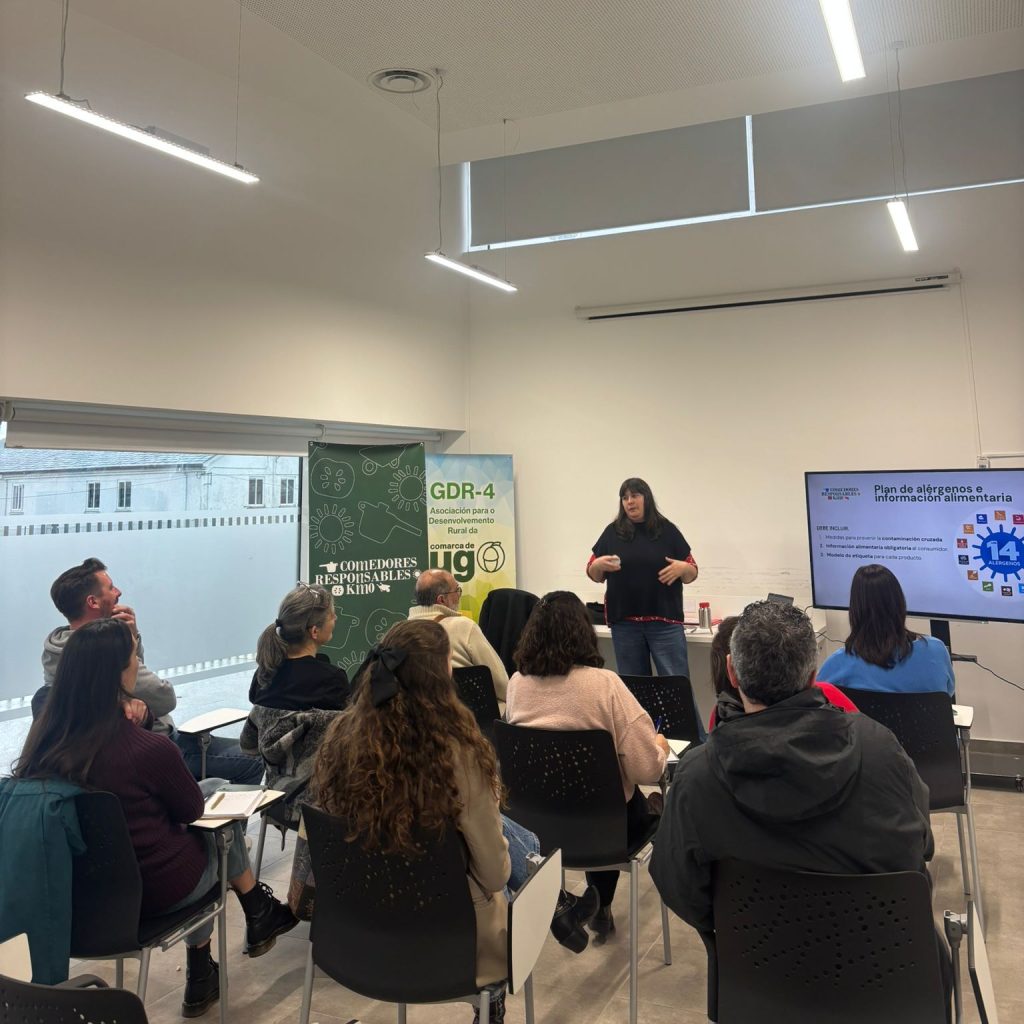
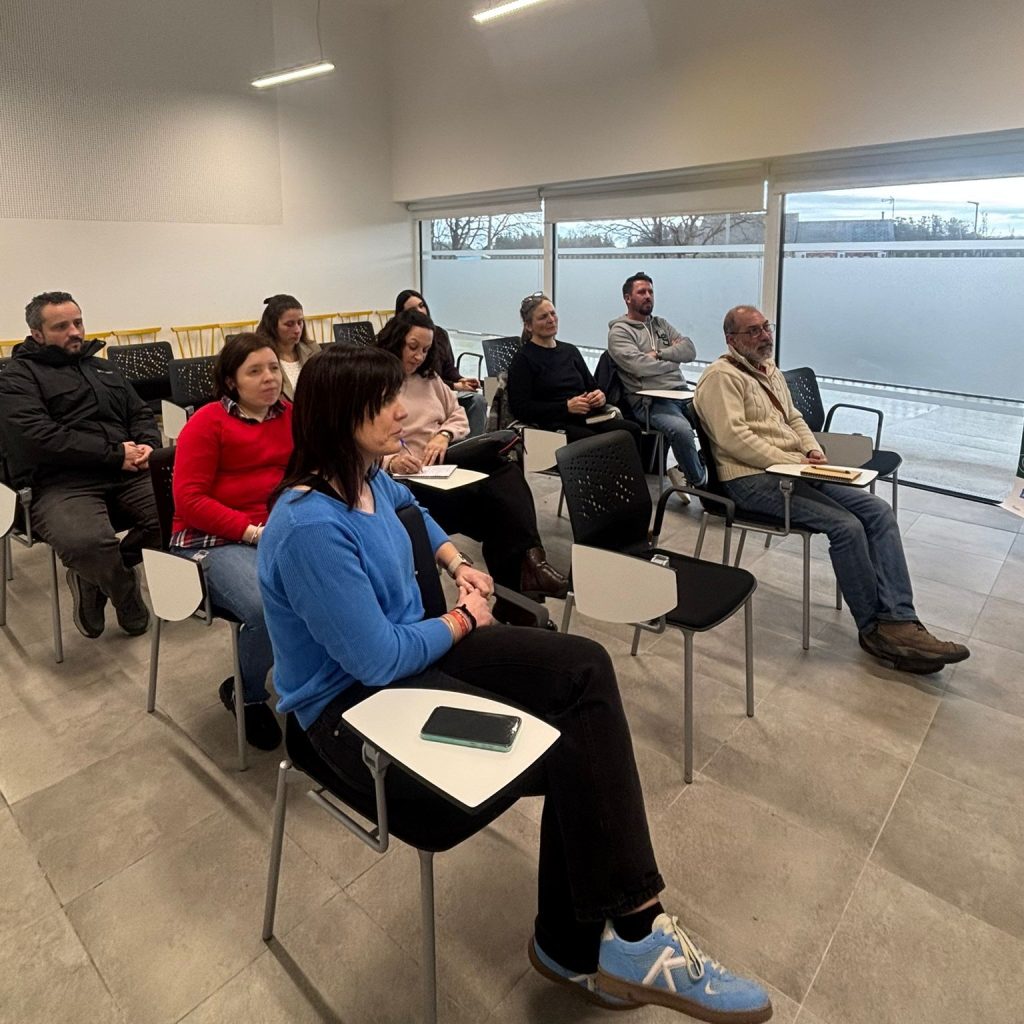
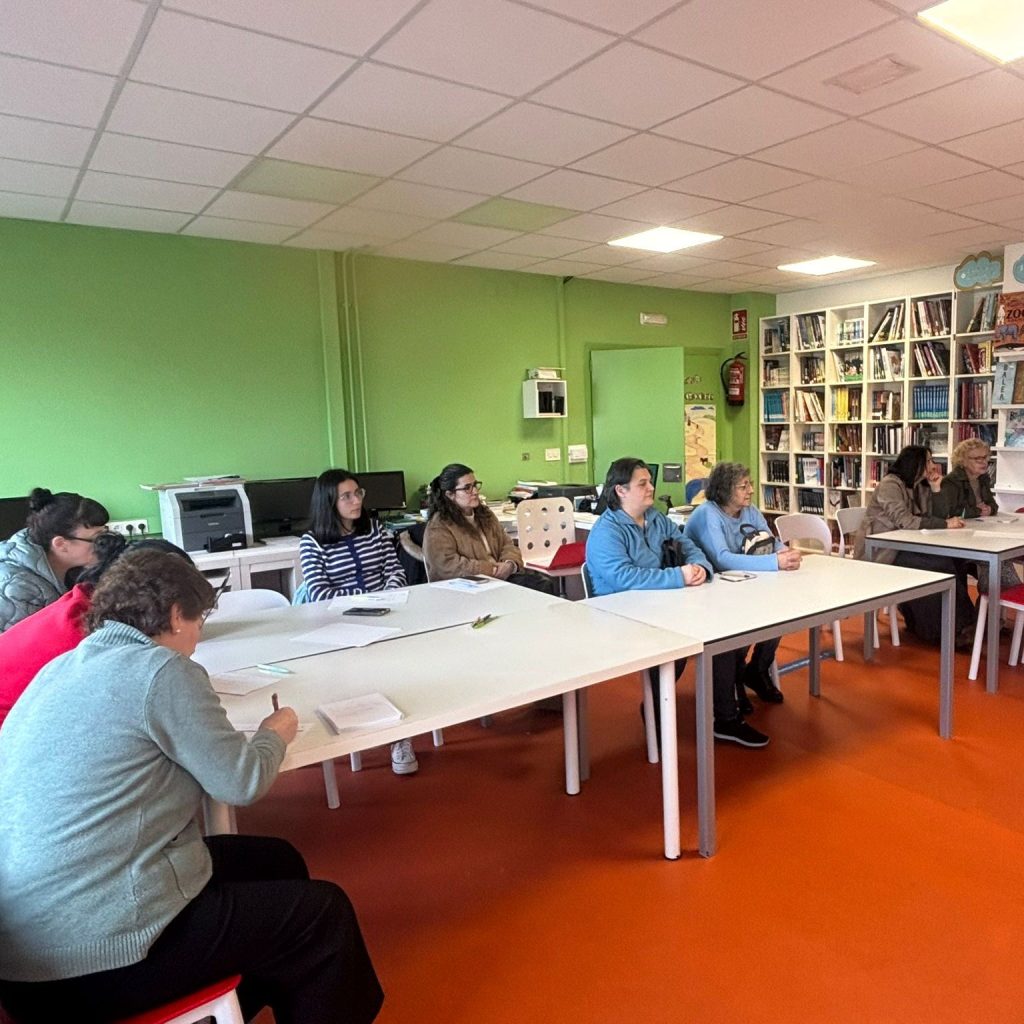
FRIOL, SPAIN
The Hackathon in Friol successfully concluded with a series of engaging activities. Participants started with an icebreaker, «Life Map,» where they shared significant life milestones, followed by a fun guessing game of anecdotes. The first work session focused on identifying training needs for the rural community, emphasizing Business Mentality, Effective Communication, and Problem Solving. Participants brainstormed key needs and discussed scenarios to improve these skills. Role-playing exercises simulated real-life challenges, such as starting a local business, solving community problems, and hosting events with effective communication. In the second work session, participants developed proposals for training courses and workshops addressing the identified needs. These included entrepreneurship courses, problem-solving workshops, and communication and leadership programs. The event concluded with presentations of these proposals and a feedback session, where participants and organizers provided quick feedback and discussed concrete ways to implement the proposed ideas.
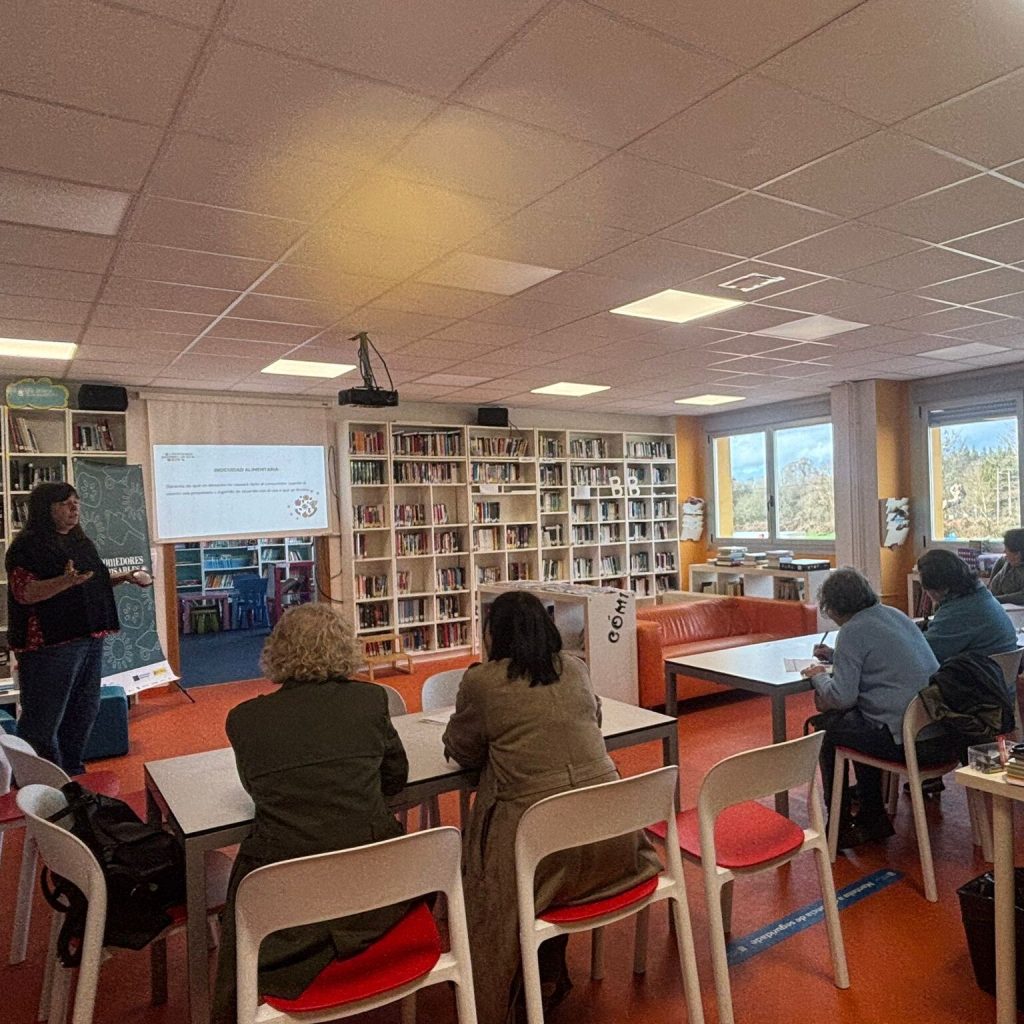
FRIOL, SPAIN
We began with an integration and presentation activity. Then, we explained the purpose of the meeting and discussed the increasing abandonment of rural areas, reflecting on how to support young people who wish to undertake projects in these places. We debated to what extent the local population would be open to innovative ideas. Finally, we conducted a Role Play exercise on entrepreneurial mindset, during which, divided into several groups, the participants simulated difficult situations where we had to find solutions that were satisfactory for all the participants in the game.
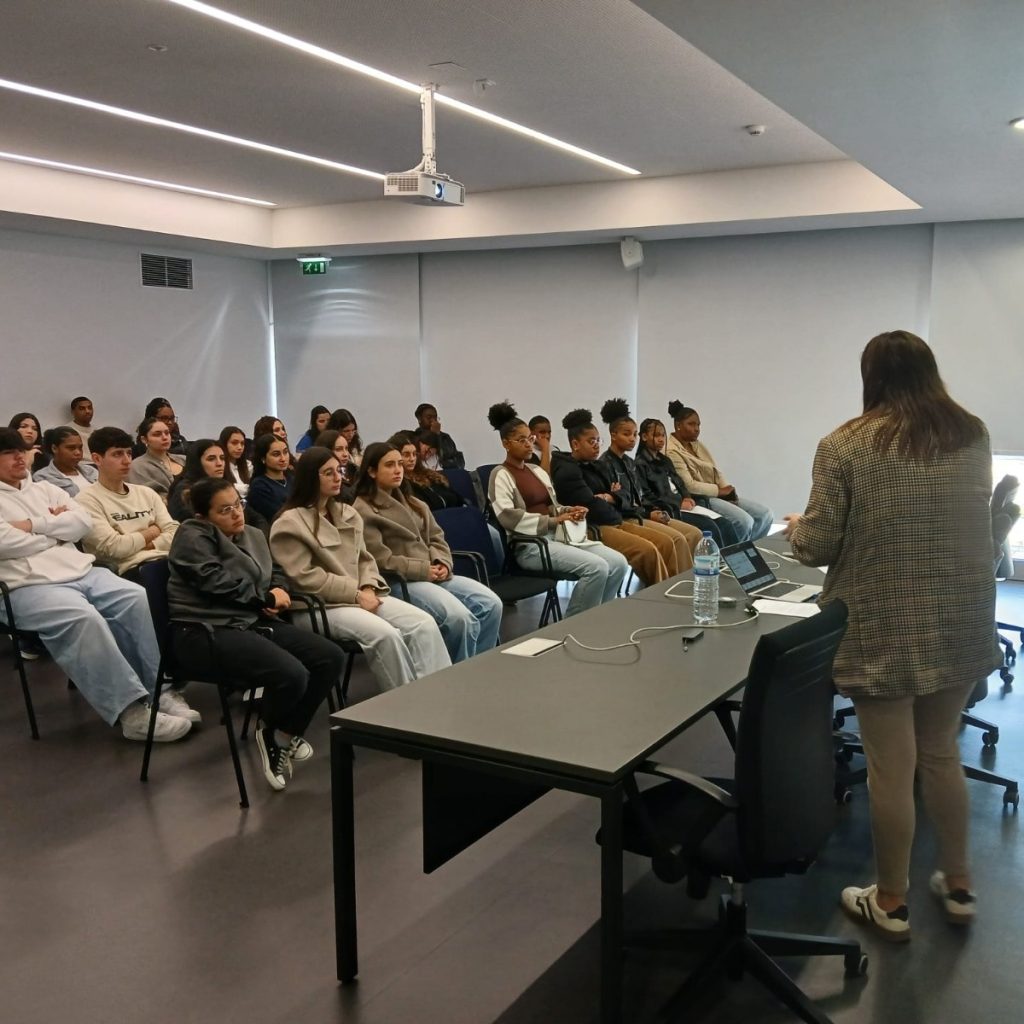
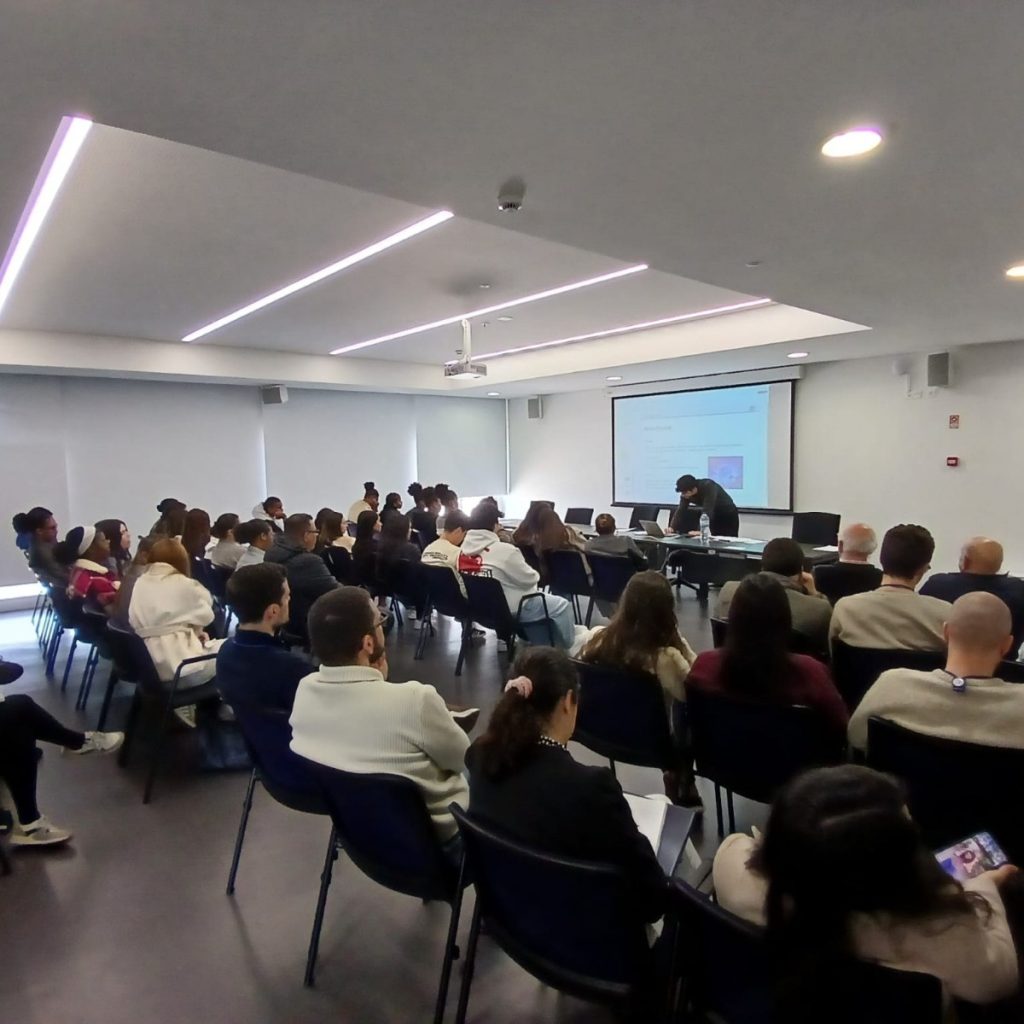
PORTUGAL
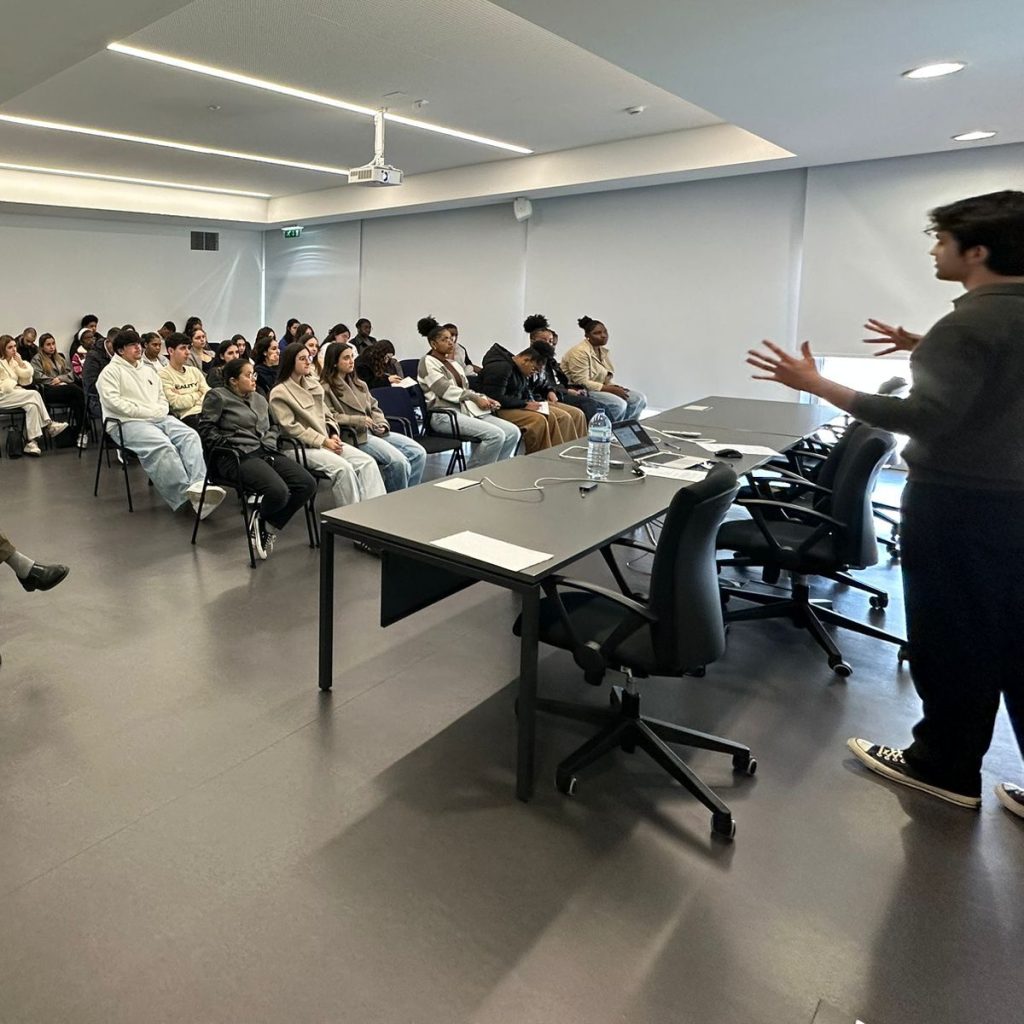
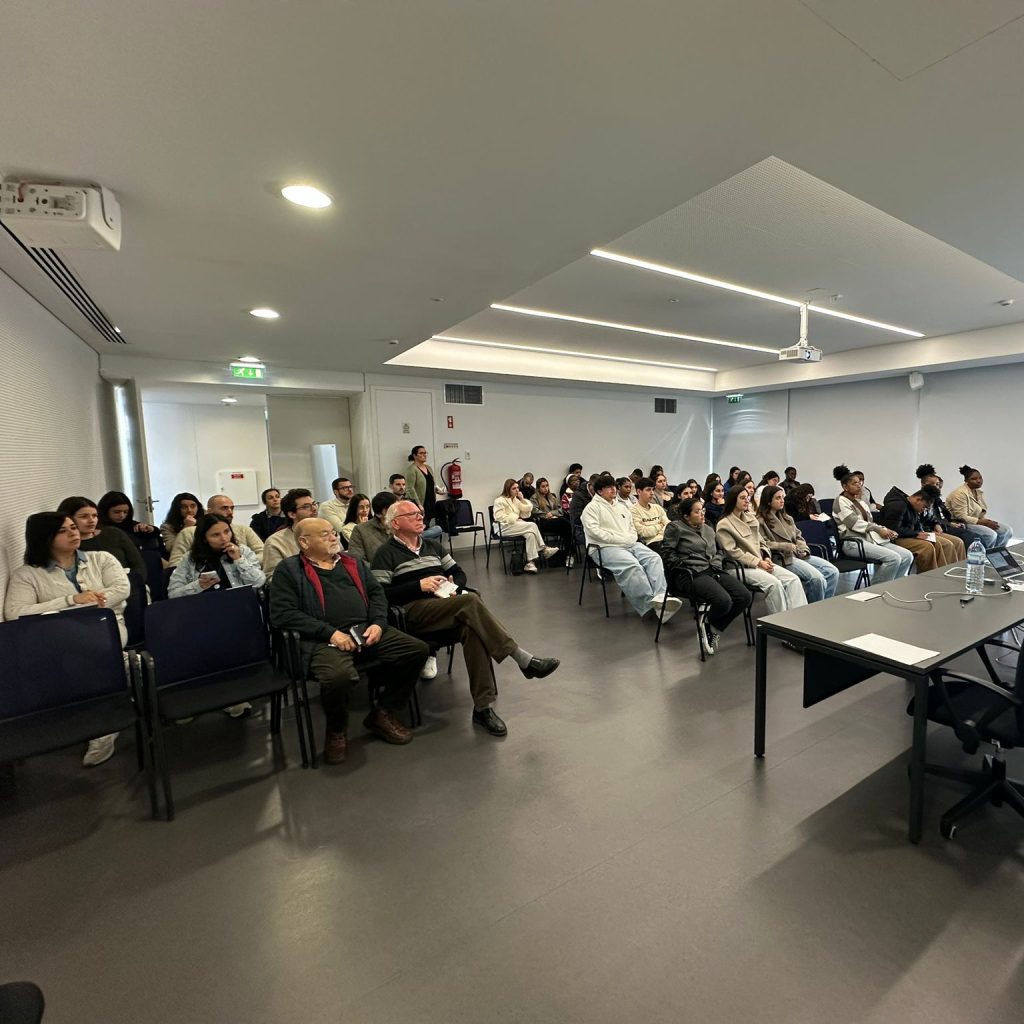
The Social Hackathon in Penela, Portugal, successfully concluded with two dynamic sessions on June 25th and November 11th, 2024. Organized by HIESE – IPN Incubadora as part of the KA2 project «Social Hackathon,» the event aimed to promote sustainable rural development by equipping community members with entrepreneurial and digital skills.
The hackathon brought together approximately 58 participants, including entrepreneurs, landowners, local entities, and students from the Technological and Professional School Sicó (Penela campus). Participants ranged from landowners seeking to profit from their land to young entrepreneurs and adults enhancing entrepreneurial, problem-solving, and communication skills.
The two sessions addressed key themes: «How might we value the land and territory?» and «How might we reactivate abandoned lands to create sustainable business opportunities?» Using Design Thinking methodologies, participants identified challenges such as underutilized resources, limited collaboration among stakeholders, and barriers to land reuse. Through brainstorming and collaborative discussions, participants proposed solutions including partnerships between landowners and entrepreneurs, workshops on sustainable business practices and land management, and leveraging digital tools to promote land availability.
The event concluded with a feedback session where participants refined their ideas and outlined next steps. The hackathon highlighted the impact of community-driven solutions in promoting rural development and empowering local communities.
BULGARIA
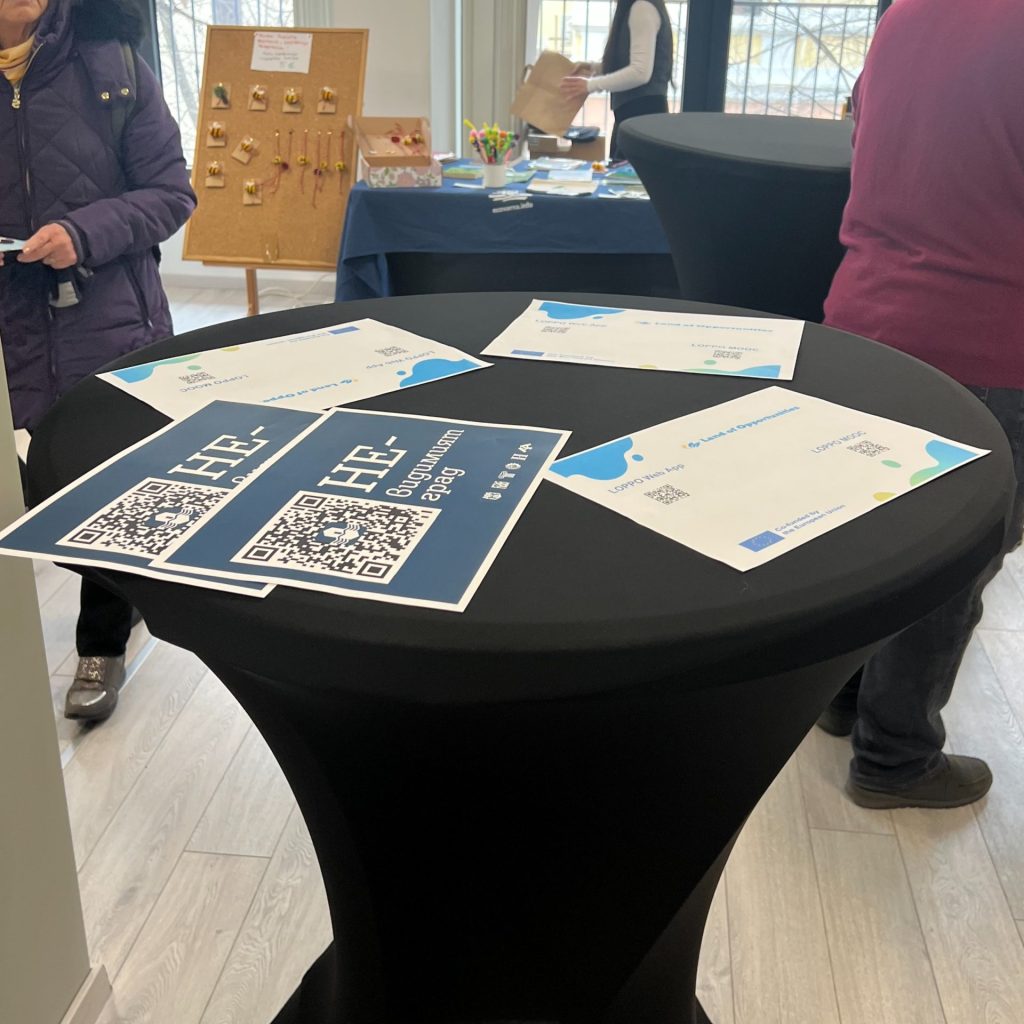
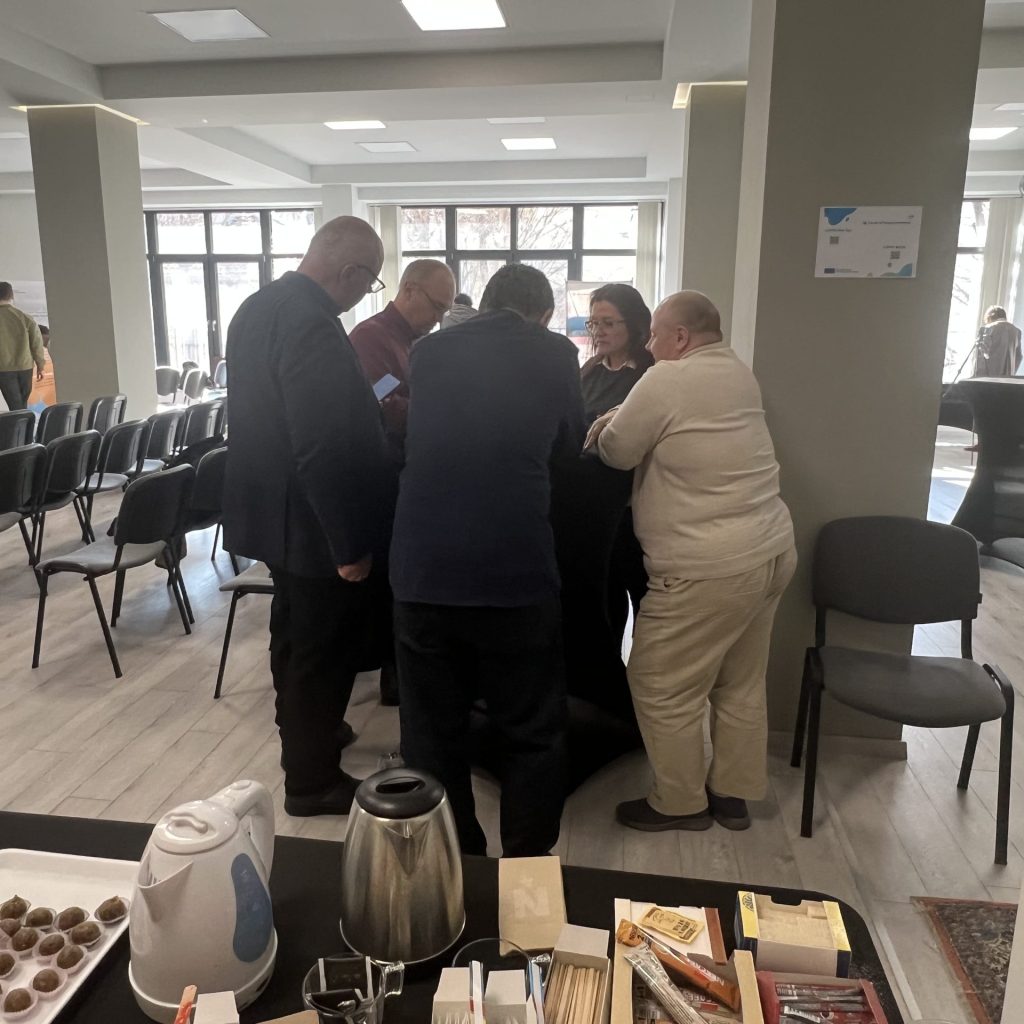
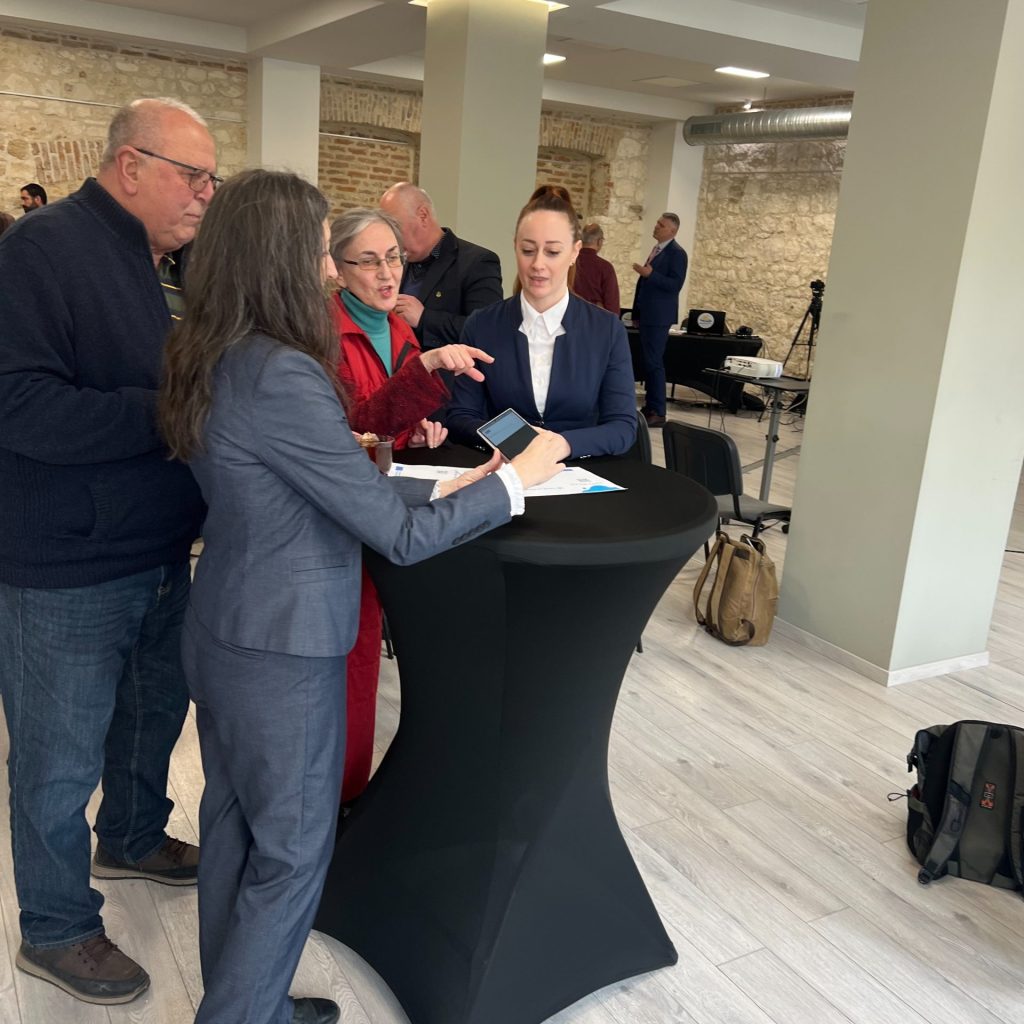
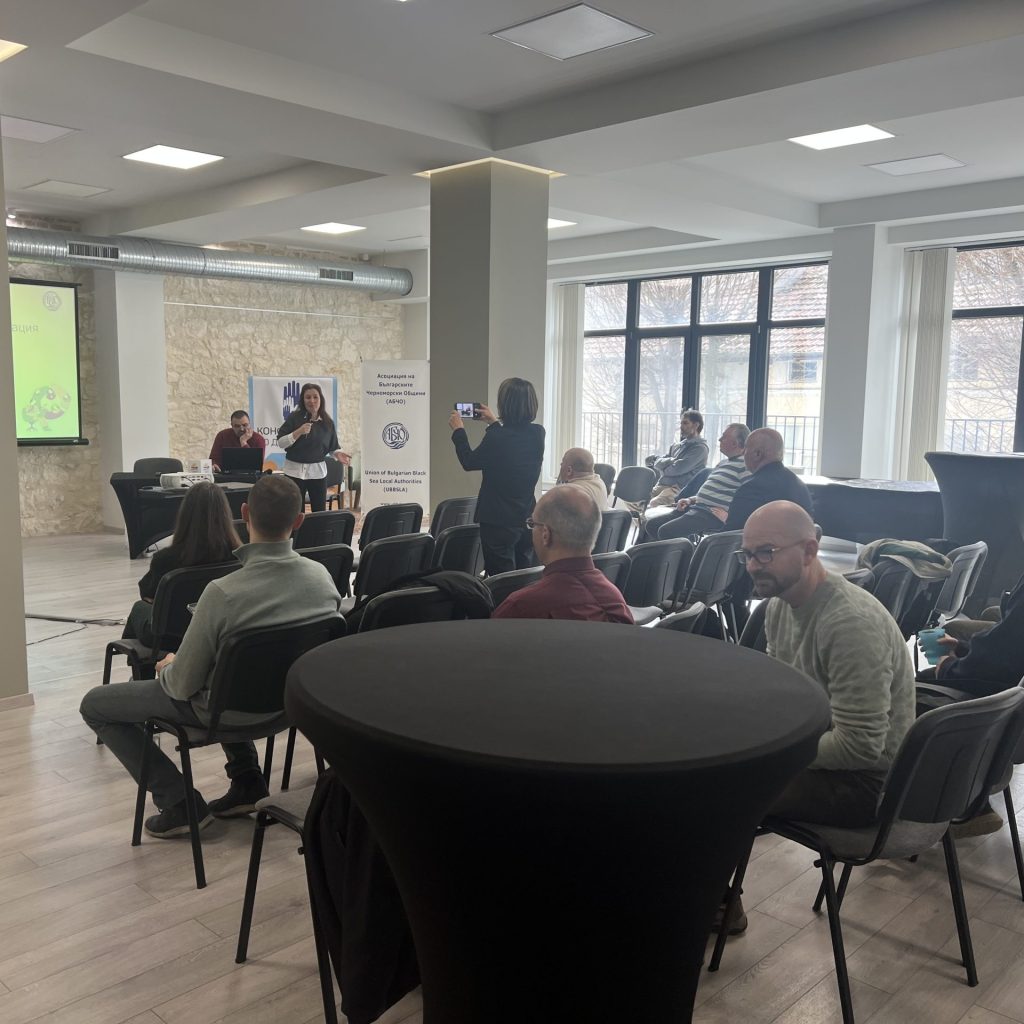
The Social Hackathon in Dobrich successfully concluded with a range of dynamic and impactful activities. Participants kicked off the event with introductions and a presentation of the initiative «LOPPO – Land of Opportunities,» setting the stage for collaborative discussions. The first session focused on identifying key challenges faced by small farming communities, such as limited access to markets, excessive administrative burdens, the high cost of organic certification, and the impacts of climate change. Participants shared their experiences and brainstormed potential solutions, including improved market channels, administrative simplifications, and access to knowledge about climate resilience. In the second session, the group explored ways to foster collaboration and innovation among small farms. This included discussing opportunities for training workshops on new agricultural techniques, organizing visits to European farms for knowledge exchange, and strategies for uniting local farmers into effective associations. The event concluded with participants presenting their ideas for addressing these challenges. Proposed initiatives included creating local farmer networks, developing tailored training programs, and reducing barriers to organic certification. A feedback session allowed participants to refine their ideas and outline steps for future implementation.This hackathon demonstrated the power of community-driven solutions in strengthening small farming communities and improving their access to opportunities.
CZECH REPUBLIC - Milevsko
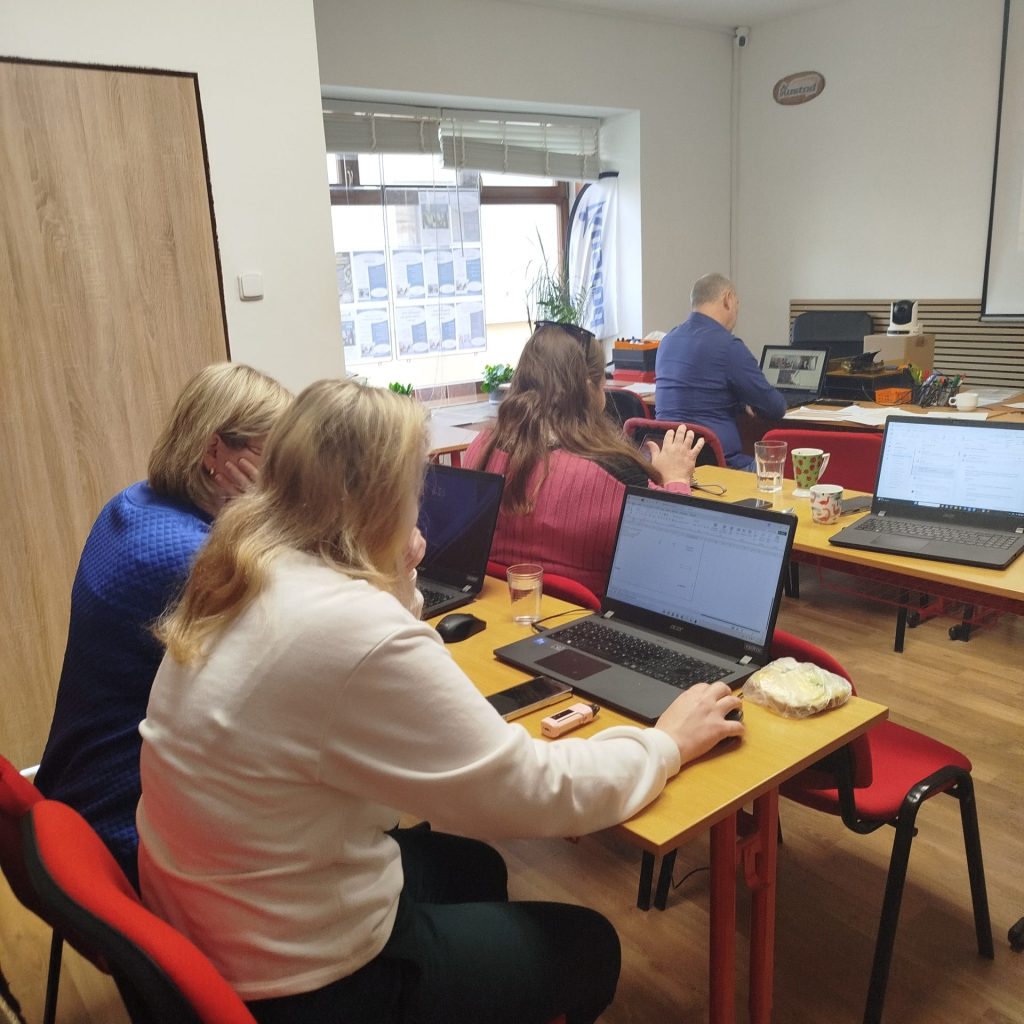
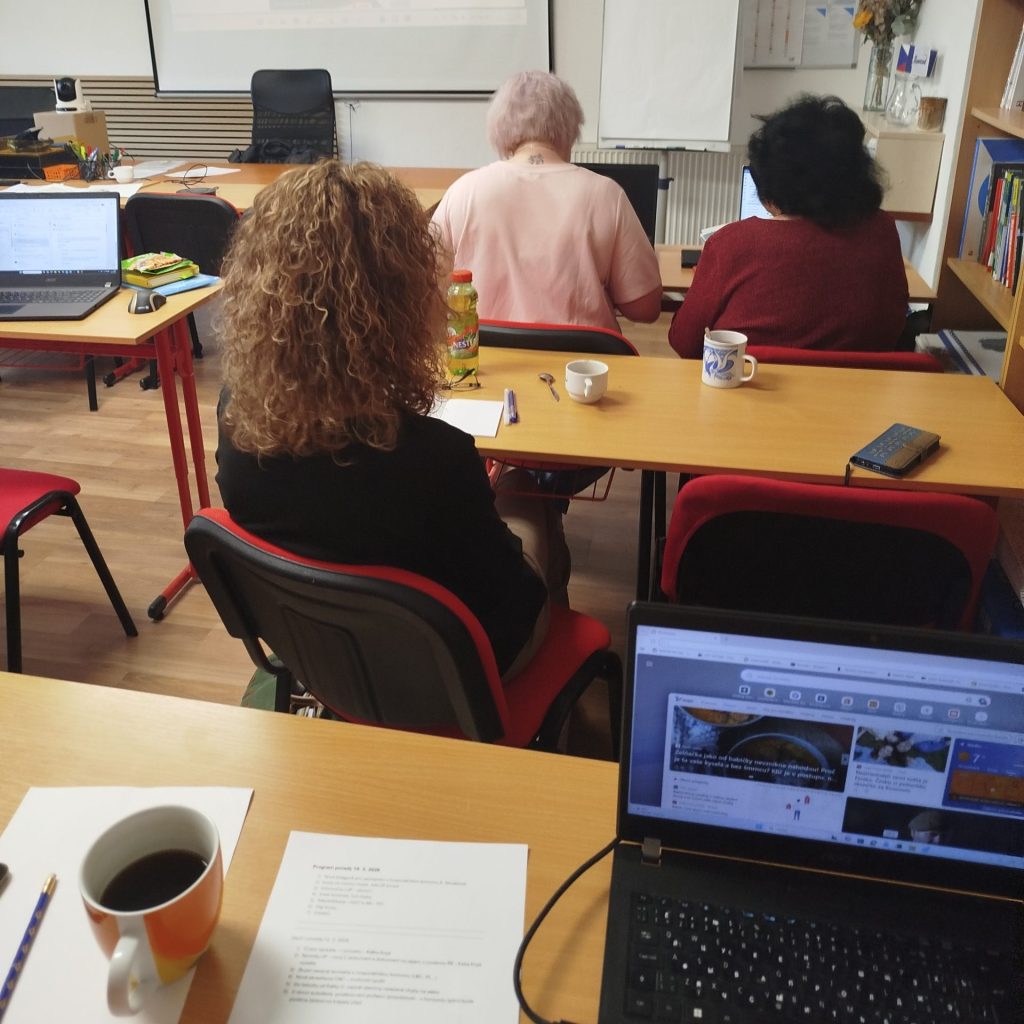
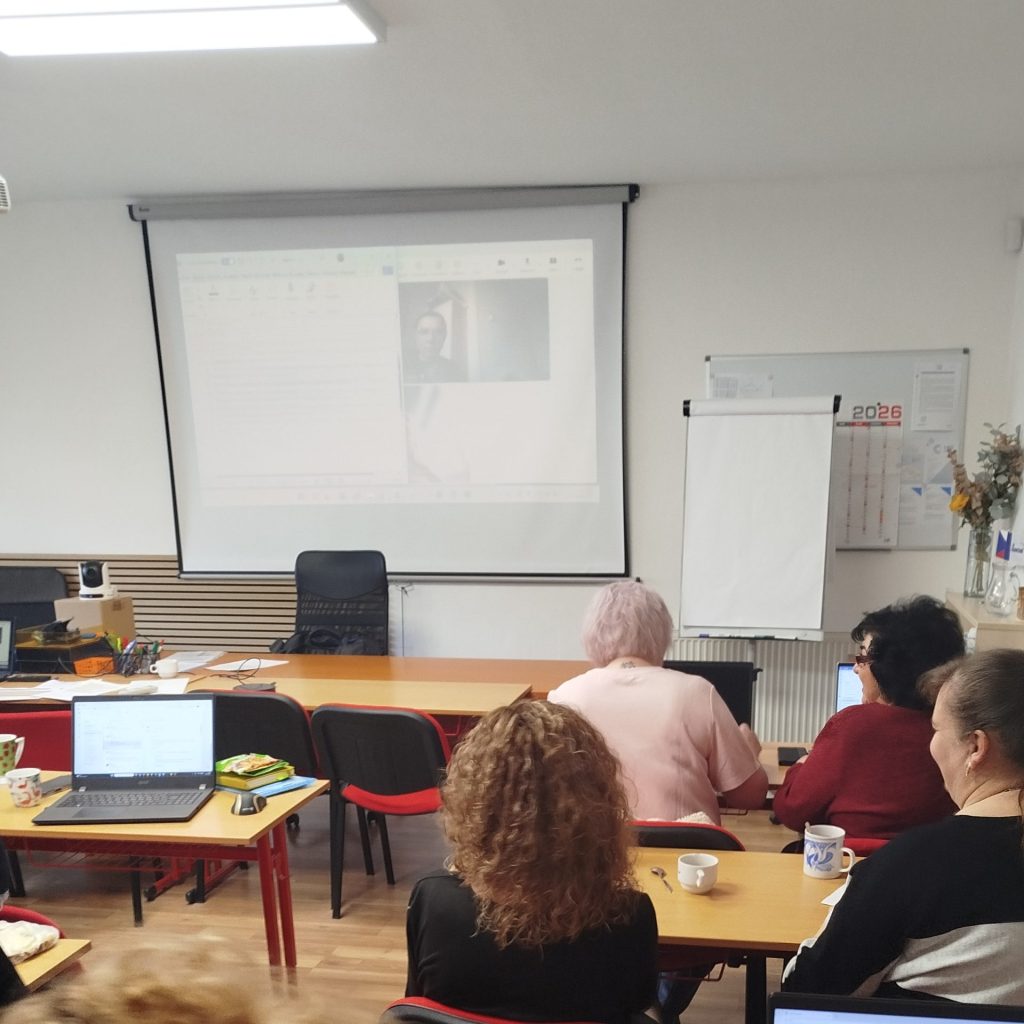
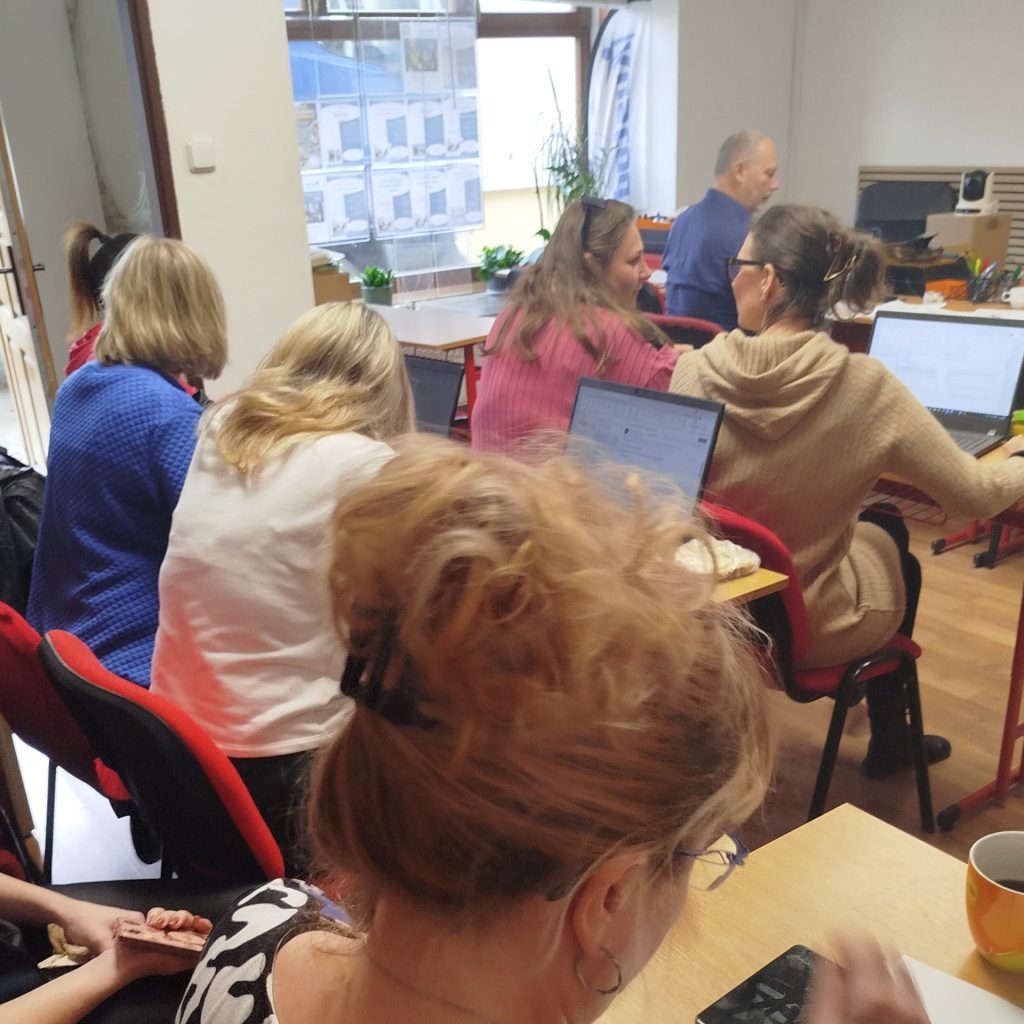
The Milevsko Hackathon, held on September 17, 2024, brought together 34 participants, including 15 older adults and 19 young adults, creating a unique opportunity for intergenerational collaboration. The event began with engaging icebreaker activities designed to establish a welcoming and open environment for sharing ideas. In the first work session, participants focused on identifying the key challenges faced by rural communities, such as financial limitations, poor connectivity, and a lack of entrepreneurial knowledge. Divided into mixed-age groups, attendees brainstormed innovative solutions, combining the experience of older participants with the fresh perspectives of younger ones. The second session included immersive role-playing exercises where participants tackled real-world scenarios, such as starting an agricultural business, solving operational challenges, and improving communication strategies. These activities helped develop crucial skills in business mentality, problem-solving, and teamwork. The event also featured motivational talks from local entrepreneurs, who shared their journeys and practical advice, inspiring participants to approach rural entrepreneurship with creativity and resilience. By blending experience and innovation, the Milevsko Hackathon fostered a rich exchange of ideas, empowering all attendees to contribute to the development of rural agriculture.
CZECH REPUBLIC - Tábor
The Tábor Hackathon, held on October 14, 2024, exclusively welcomed 34 young adults, providing an intensive platform for skill-building and entrepreneurial development. The day began with interactive icebreaker activities that helped participants connect with each other and create a dynamic, collaborative atmosphere. The first session focused on identifying needs within the rural agricultural sector. Participants explored pressing issues, such as limited access to funding, inadequate public transportation, and the challenges of starting and managing a business in rural areas. Through group discussions, they pinpointed potential solutions while learning to think critically and innovatively. In the second session, attendees engaged in hands-on role-playing exercises, taking on the roles of business owners, strategists, and decision-makers. These activities emphasized strategic planning, effective communication, and conflict resolution, equipping participants with essential skills to navigate entrepreneurial challenges. Motivational talks from successful agricultural entrepreneurs added an inspirational touch, showcasing real-life success stories and offering valuable insights. Networking opportunities were woven throughout the event, allowing participants to build connections with peers and potential mentors. The Tábor Hackathon concluded with participants leaving inspired and equipped with the tools and confidence needed to take on leadership roles in rural entrepreneurship. It was a transformative experience that empowered young adults to innovate and drive change in their communities.
IRELAND
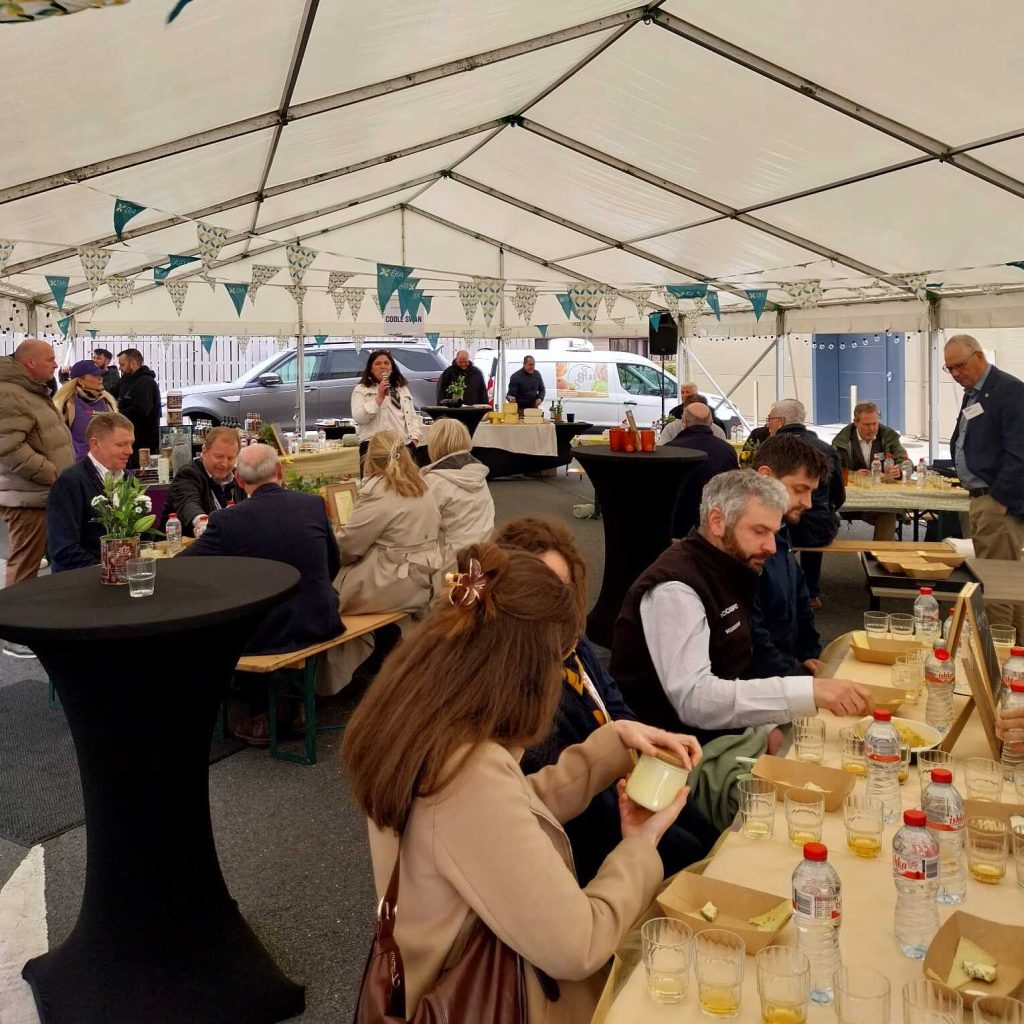
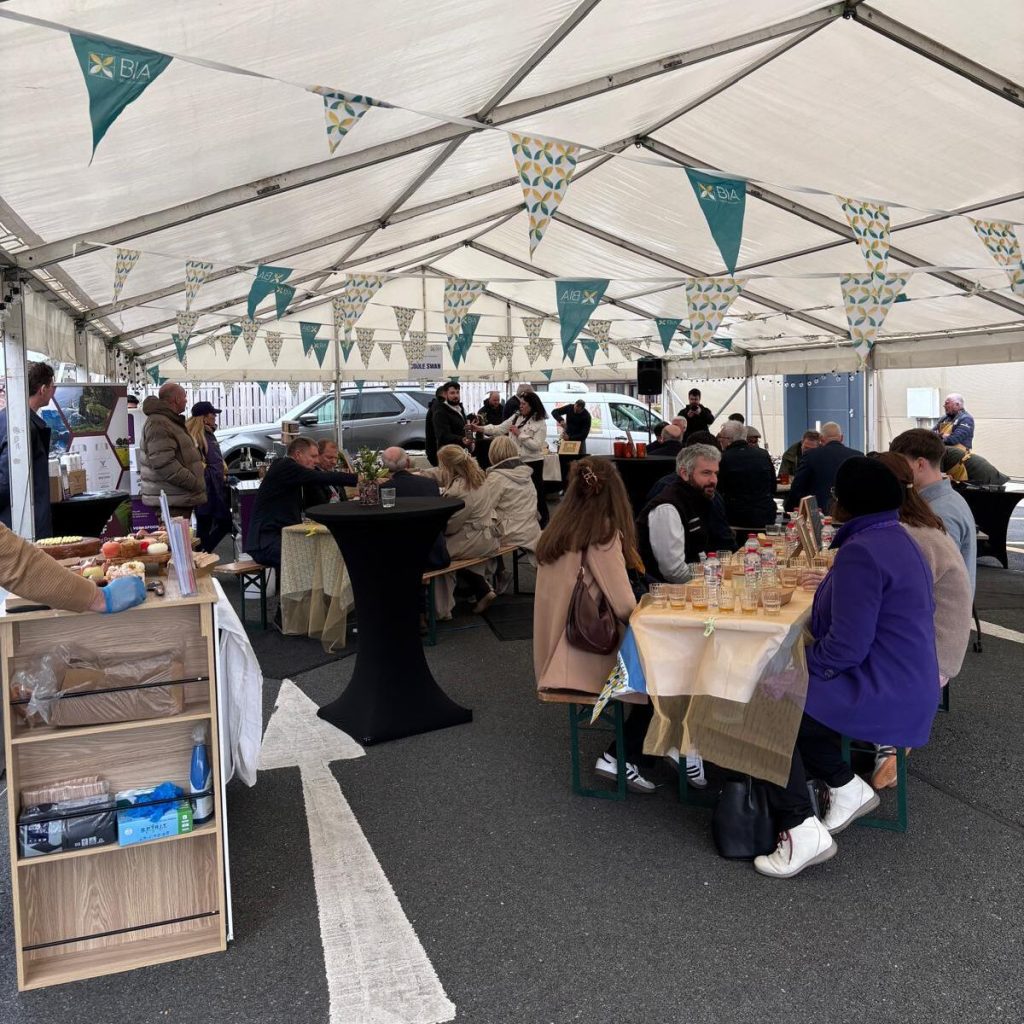
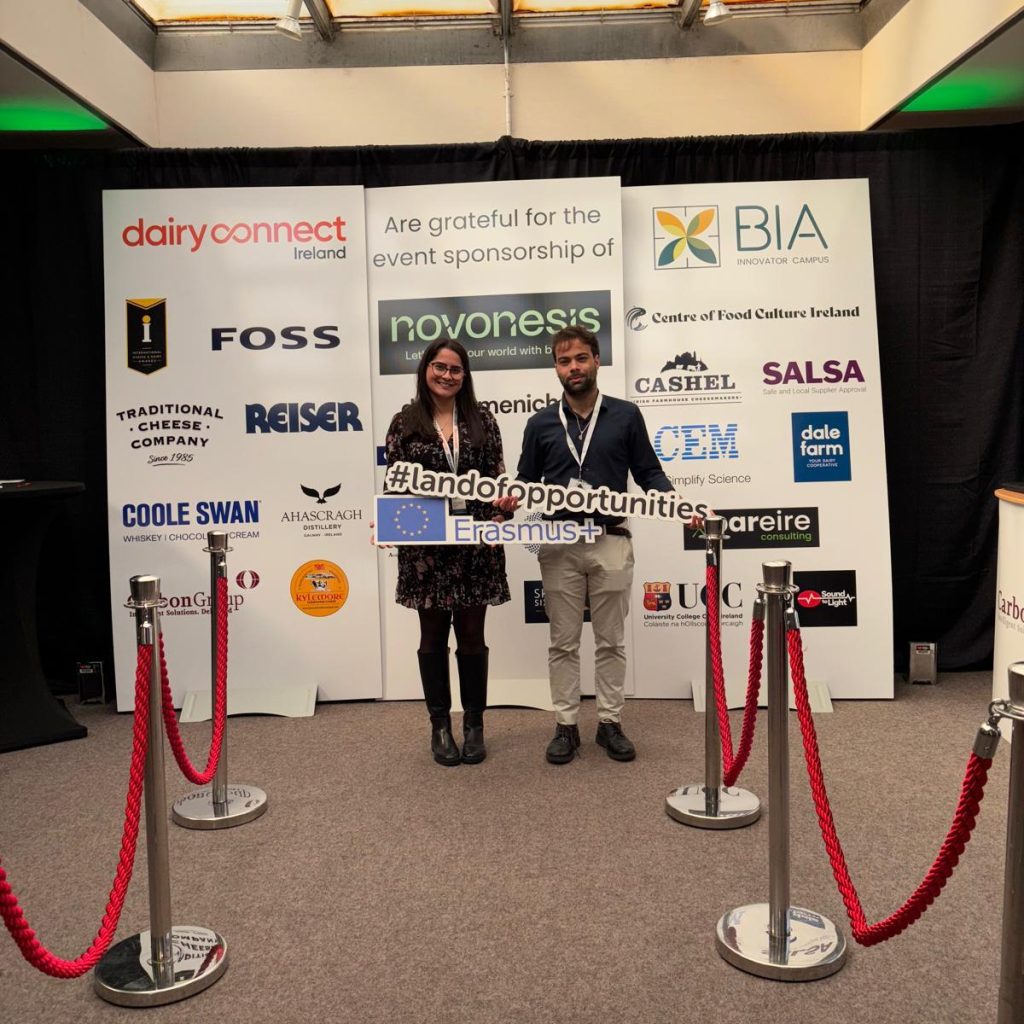
On October 24, 2024, the BIA Innovator Campus in Athenry hosted a social hackathon, bringing together community groups, a rural development partnership, and a social finance provider. The event focused on addressing critical challenges faced by rural areas, including sustainability, digital connectivity, and social cohesion. Participants began by identifying pressing issues such as limited public transportation, digital access gaps, and youth migration. They collaborated to propose practical solutions, including improved transport infrastructure, a rural ride-sharing app, and coworking spaces to foster local job creation. Youth-focused initiatives, such as green entrepreneurship bootcamps and digital skills training programs, were also highlighted to empower the next generation. The discussions extended to broader community concerns, including isolation, mental health, and declining local businesses. Proposed solutions included telehealth mental wellness programs, digital marketplaces for local artisans, and eco-tourism ventures to revitalize the local economy while promoting sustainability. By the end of the day, participants had developed actionable ideas and built connections to support ongoing collaboration. The hackathon showcased the potential of community-driven innovation to create meaningful change, equipping attendees with tools and strategies to enhance rural resilience and sustainability.
Manual of best practices and recommendations
MOOC
The project developed the MOOC «Rural empowerment training: building skills for green entrepreneurship»: an online course that aims to help people develop their digital, leadership, entrepreneurial and managerial skills while also acquiring specific competences connected to work in agriculture. The intention was to produce content that could be useful for people interested in implementing sustainable business ideas in rural areas. Each partner produced one chapter of the course.
The course is divided into five modules:
- Introduction to Business Skills. An introduction to the essential competences for green entrepreneurship, including entrepreneurial thinking, effective communication, problem-solving and the definition of hard, soft and key skills.
- Digital Skills for the Agricultural Sector. A detailed presentation of how digital tools and technologies such as IoT and data-driven solutions are transforming agriculture, to learn how to apply these tools to improve efficiency, sustainability, and productivity, even in small-scale contexts.
- Business Skills for Rural Areas. An exploration of how to create sustainable business models in rural areas by identifying local challenges and turning them into opportunities. The module focuses on building viable, innovative, and environmentally responsible enterprises that strengthen rural communities.
- Sustainable Production Management. An introduction to best practices for sustainable and quality agricultural production. The module covers agroecological methods, efficient resource management, and adaptation to local conditions, in line with EU sustainability and quality standards.
- Communication, Networking and Marketing. A guide to develop practical skills in communication, networking, and marketing, learning how to build partnerships, participate in fairs and events and design effective promotional strategies tailored to rural and sustainable business contexts.
Here below you find the links to access the course, translated in the five languages of the partners (English, Spanish, Czech, Portuguese and Bulgarian).
English: https://canvas.instructure.com/enroll/9WELB9
Spanish: https://canvas.instructure.com/enroll/46DHT6
Czech: https://canvas.instructure.com/enroll/JKXHY3
Bulgarian: https://canvas.instructure.com/enroll/4BR6CW
Portuguese: https://canvas.instructure.com/enroll/AFP8L7
Pilot project
Following the creation of the course, the MOOC was presented by the partner organisations to their specific target groups (new green entrepreneurs; migrants; young NEETs; young women at risk of social exclusion; elderly people) in a series of Pilot Projects conducted by each organisation in their country. The goal was both to present the product to the population and at the same time to test it and receive some useful feedback from the first users of the course.
This was possible thanks to the realisation of a pre- and a post-assessment form that the participants of the pilot projects filled before and after getting to know the course. The information collected in this form will help to improve the quality of the project and will be useful for the future activities of LOPPO.
IRELAND
PORTUGAL
CZECH REPUBLIC
SPAIN
BULGARIA
Following the creation of the course, the MOOC was presented by the partner organisations to their specific target groups (new green entrepreneurs; migrants; young NEETs; young women at risk of social exclusion; elderly people) in a series of Pilot Projects conducted by each organisation in their country. The goal was both to present the product to the population and at the same time to test it and receive some useful feedback from the first users of the course.
This was possible thanks to the realisation of a pre- and a post-assessment form that the participants of the pilot projects filled before and after getting to know the course. The information collected in this form will help to improve the quality of the project and will be useful for the future activities of LOPPO.
MOOC
The project developed the MOOC «Rural empowerment training: building skills for green entrepreneurship»: an online course that aims to help people develop their digital, leadership, entrepreneurial and managerial skills while also acquiring specific competences connected to work in agriculture. The intention was to produce content that could be useful for people interested in implementing sustainable business ideas in rural areas. Each partner produced one chapter of the course.
The course is divided into five modules:
- Introduction to Business Skills. An introduction to the essential competences for green entrepreneurship, including entrepreneurial thinking, effective communication, problem-solving and the definition of hard, soft and key skills.
- Digital Skills for the Agricultural Sector. A detailed presentation of how digital tools and technologies such as IoT and data-driven solutions are transforming agriculture, to learn how to apply these tools to improve efficiency, sustainability, and productivity, even in small-scale contexts.
- Business Skills for Rural Areas. An exploration of how to create sustainable business models in rural areas by identifying local challenges and turning them into opportunities. The module focuses on building viable, innovative, and environmentally responsible enterprises that strengthen rural communities.
- Sustainable Production Management. An introduction to best practices for sustainable and quality agricultural production. The module covers agroecological methods, efficient resource management, and adaptation to local conditions, in line with EU sustainability and quality standards.
- Communication, Networking and Marketing. A guide to develop practical skills in communication, networking, and marketing, learning how to build partnerships, participate in fairs and events and design effective promotional strategies tailored to rural and sustainable business contexts.
Here below you find the links to access the course, translated in the five languages of the partners (English, Spanish, Czech, Portuguese and Bulgarian).
English: https://canvas.instructure.com/enroll/9WELB9
Spanish: https://canvas.instructure.com/enroll/46DHT6
Czech: https://canvas.instructure.com/enroll/JKXHY3
Bulgarian: https://canvas.instructure.com/enroll/4BR6CW
Portuguese: https://canvas.instructure.com/enroll/AFP8L7
Pilot project
Following the creation of the course, the MOOC was presented by the partner organisations to their specific target groups (new green entrepreneurs; migrants; young NEETs; young women at risk of social exclusion; elderly people) in a series of Pilot Projects conducted by each organisation in their country. The goal was both to present the product to the population and at the same time to test it and receive some useful feedback from the first users of the course.
This was possible thanks to the realisation of a pre- and a post-assessment form that the participants of the pilot projects filled before and after getting to know the course. The information collected in this form will help to improve the quality of the project and will be useful for the future activities of LOPPO.
IRELAND
PORTUGAL
CZECH REPUBLIC
SPAIN
BULGARIA