AGROFORESTRY
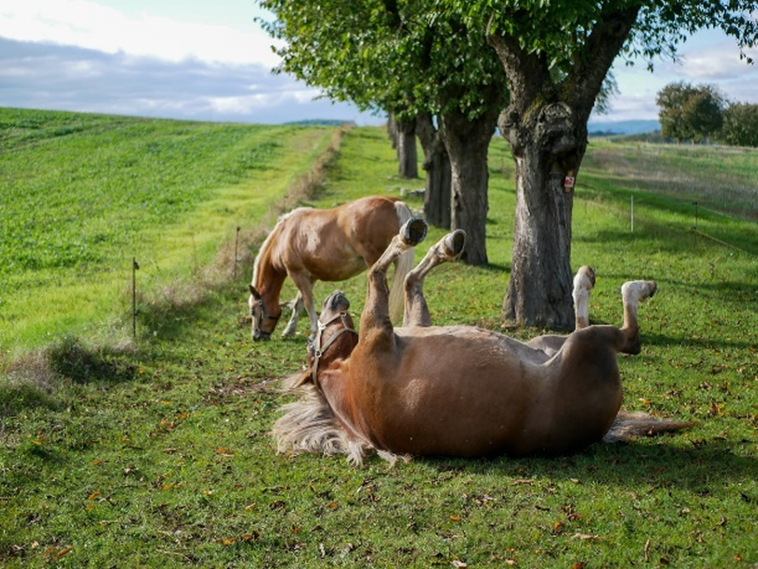
Description: Combining trees and shrubs with crops and/or animals on the same area.
Benefits: Improves biodiversity, increases yields, provides additional sources of income and protects the soil from erosion.
Agroforestry is a mixed cultivation of trees/shrubs, agricultural crops and/or animals. This method has been practiced since ancient times, but by the middle of the last century it gave way to monoculture production as a result of the intensification and specialization of agriculture – trees and shrubs interfered with large modern agricultural machinery.
In recent decades, agriculture has seen a significant increase in productivity, but negative consequences on agricultural land are also being reported. The vast areas occupied by monocultures have led to the extinction of many plant and animal species, to a decrease in soil fertility and an increase in soil erosion and compaction.
Today, this problem is recognized and agroforestry is once again attracting interest as a potential system for sustainable land use.
Many modern agroforestry systems are based on traditional practices, modernized as a result of scientific research and practical experience.
The most common agroforestry systems in Europe are:
▶ Forest-plant system – trees are planted in strips of one or several rows, with field or vegetable crops grown between them.
▶ Forest-pasture system – trees are combined with fodder production and livestock farming. Afforestation can be of high or low density.
▶ Agroforestry systems with fruit trees – in this system, fruit trees are grown on arable or grassland areas and animals graze.
▶ Buffer strips – planting perennial vegetation (grasses, shrubs, trees) in strips between arable land or pastures. The aim is to protect water resources (lakes, rivers) from negative impacts of agricultural production.
▶ Windbreaks – rows of trees are planted around farms and fields to protect crops and soil from wind.
Important! The combination of tree species, crops and/or livestock should be managed as a whole, not as separate elements in close proximity.
Modern intensive varieties are not particularly suitable for agroforestry systems, as they require intensive use of industrial production methods. Older local varieties from traditional agriculture, which are adapted to a lower level of cultivation, are more suitable.
One of the symbols of agroforestry systems is the oak and cork oak forest-pasture systems in Spain and Portugal. There, hundreds of thousands of pigs and other animals are raised to produce meat products that are renowned worldwide for their high quality..
Agroforestry systems provide broad opportunities for more efficient use of natural resources, which in turn leads to an increase in the overall productivity of agricultural production. They create conditions for limiting the impact of water and wind erosion, for improving soil properties. This in turn leads to an increase in the quantity and quality of crop yields, which compensates for the occupied part of the arable land with tree species. The economic stability of the agricultural economy is increased, sources of income are diversified and the risks associated with growing only one crop are limited.